


 : (+54911) 7213 6798
 Musselburgh Links: "The Old Golf Course"
Documentary evidence proves that golf was played at Musselburgh Links as far back as March 2, 1672; however, it has been said that Mary Queen of Scots played at Musselburgh even earlier, in 1567.
Historians discovered that Sir John Foulis of Ravelston, a prominent Edinburgh lawyer who kept extensive records, noted that on March 2 of that year, he lost a match to his friends Gosford, Lyon, and others, obviously at Musselburgh.
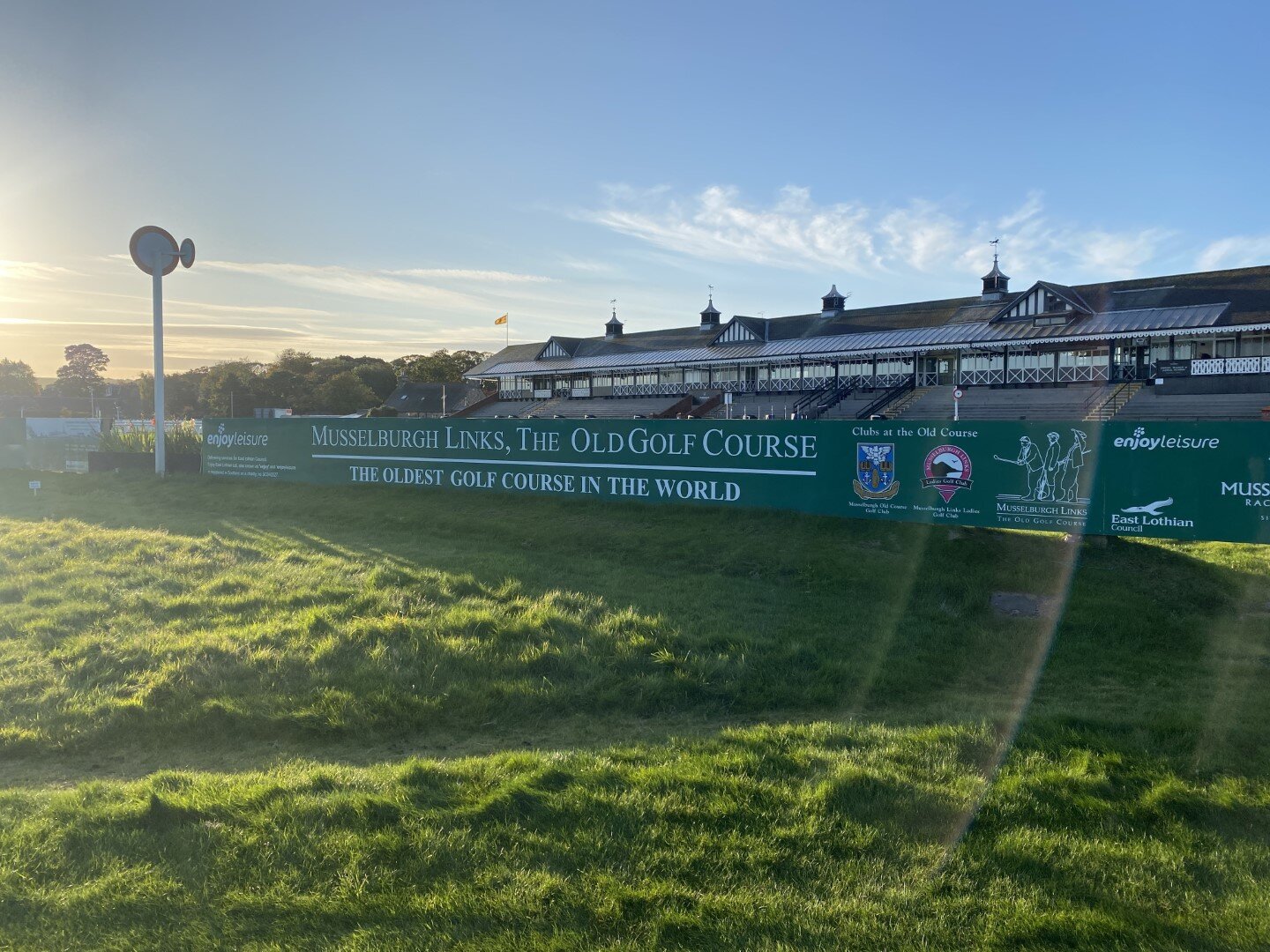
The Old Golf Course at Musselburgh was one of the original sites of the Open Championship, having been one of its first three venues, and the Open was played there until 1889.
Its rotation was interrupted when the "Honourable Company of Edinburgh Golfers" decided to move their play from Musselburgh Links to a new home: Muirfield.
When the club moved, there was confusion over who should continue organizing the Open and which course it would be played on. When the decision to move came in 1892, to the dismay of the Musselburgh players, the Honourable Company assumed that the Open would move to Muirfield with them.
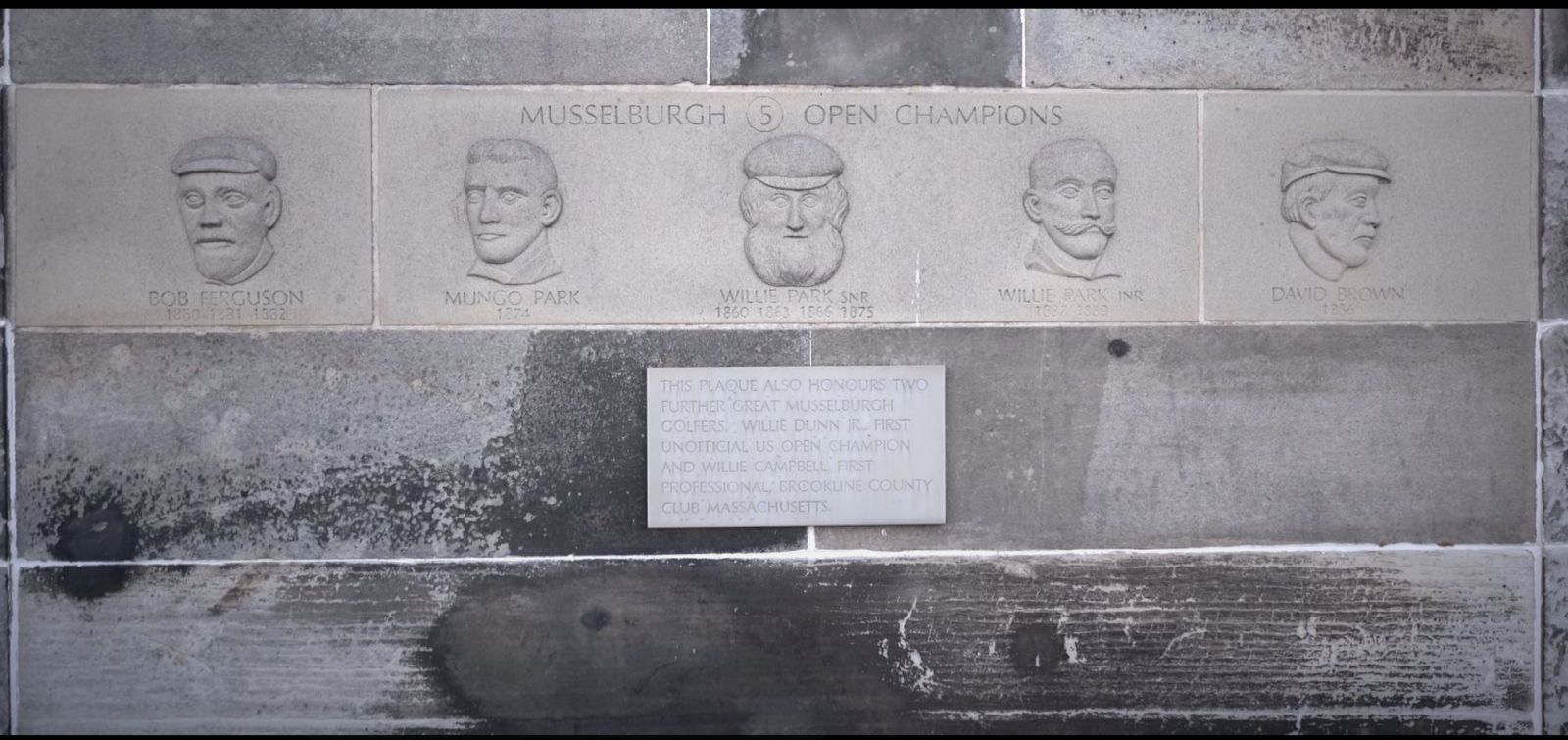
During their time at Musselburgh Links, the Honourable Company sponsored and organized six Open Championships. Aside from Ferguson and Fernie, winners included Mungo Park (designer of San Andres GC in Buenos Aires and champion of the first Argentine Open), from the famous golfing family of that name; Jamie Anderson of St. Andrews; D. Brown of Musselburgh; and W. Park, Junior, the last of whom had the best aggregate with 155 over 36 holes. Willie Park also held the course record with 32 strokes.
Why is the golf hole the size it is?
The measurement of a golf hole as we play it today is 4.25 inches (108 mm). This is because at Musselburgh, it was decided for the first time to sink the "cup" or the grazing muzzle used for the sheep that cut the grass (a tool that allowed them to clip the grass without pulling it out by the roots) into the ground. That muzzle measured 4.25 inches, and finally, this measurement was later designated as the mandatory standard for the hole by the R&A in the 19th century.
Today, the course still features the original 9 holes and is "literally" surrounded by a horse racing track, but playing there is like an appointment with history.
If you ever visit Edinburgh, do not miss the chance to play it. It is a journey back in time.
Guinness World Records certified it in 2009 as "The Oldest Surviving Golf Course in the World." It is a public, 9-hole course that opens every day, where green fees range from 3 to 17 pounds depending on the player's age.
Related trips


Comments
Leave us your comment
Your email will not be published
I want to suscribe
Featured posts

About the History of Augusta National Golf Club

Top 5: Our Selection of Destinations for Your Next Golf Trip

The Open 151: From the Inside

Wegolf Top 10 Playable Golf Courses in the World

How can you play at Augusta National?

Top 10: The Best Places for a Golf Trip in the USA
